Start with us. Cleaner air, cooler streets and our own wellbeing all lead back to trees. Now head down through one.
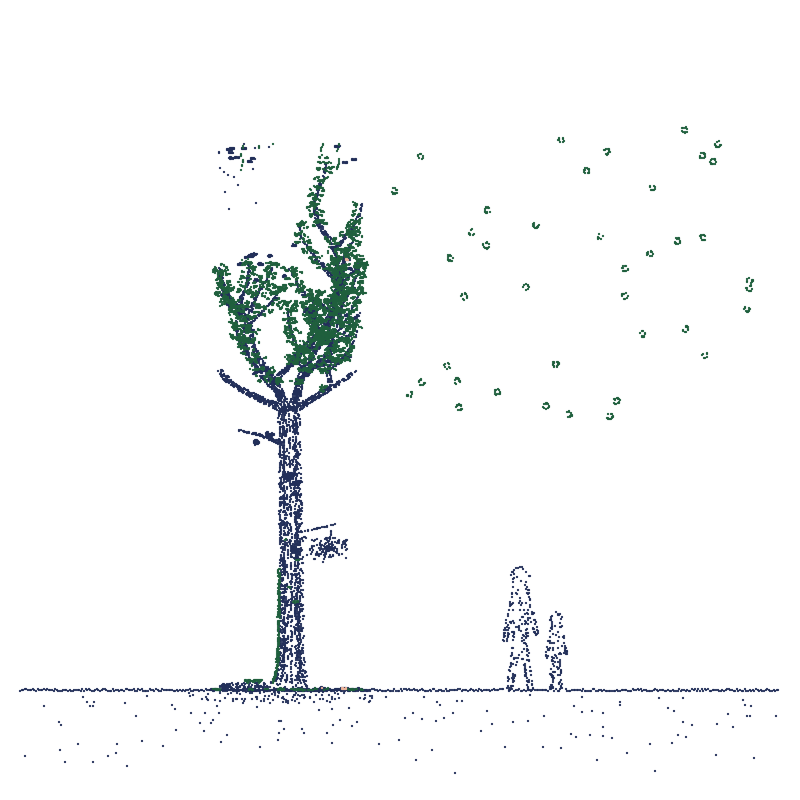
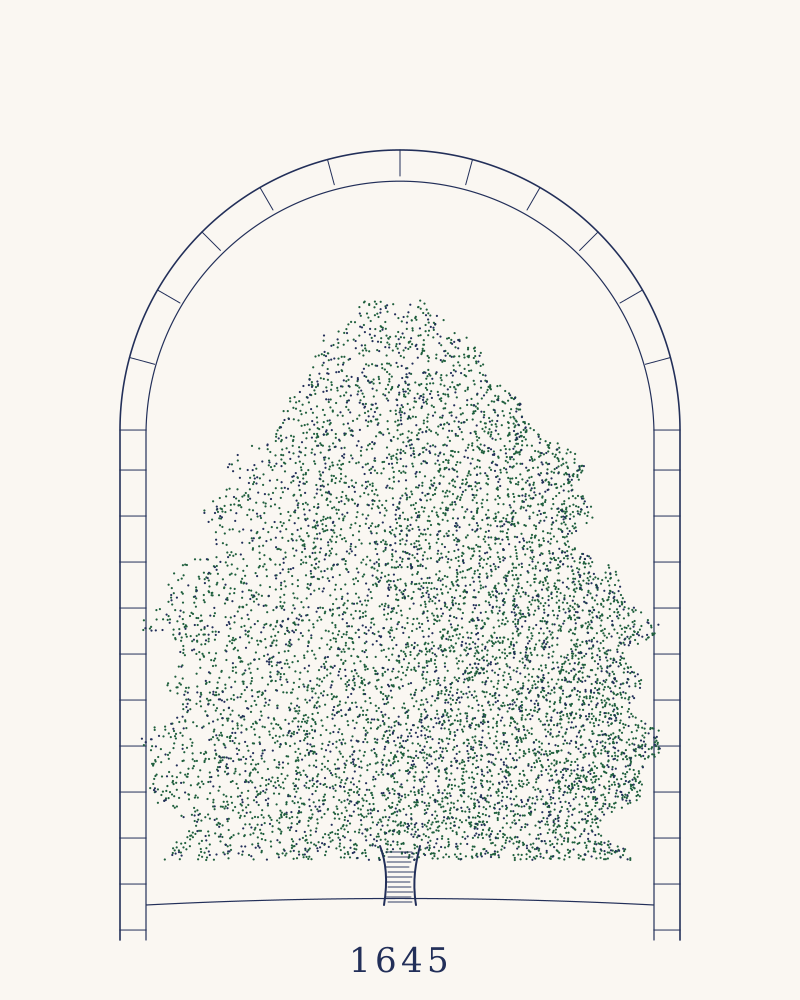
Drawing: The whole tree seen from a distance, with an adult and a child walking nearby.
02/ 08
Canopy & air
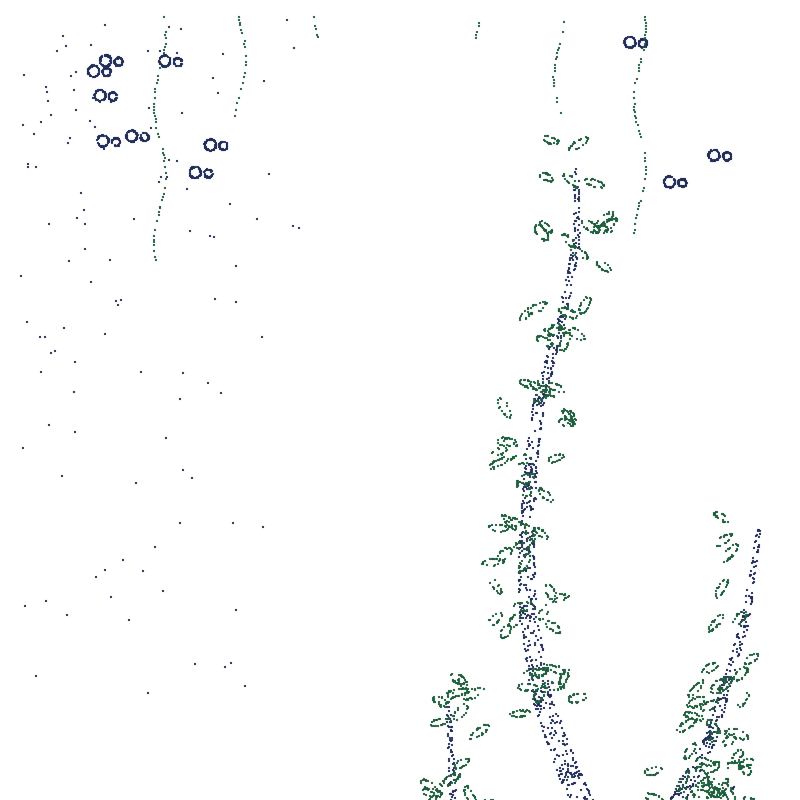
At the very top, leaves draw carbon out of the air and catch the pollution we would otherwise breathe.
Drawing: The top branches of the crown against open air, with small rings of carbon dioxide, rising wavy lines and fine particles.
03/ 08
Flowers & fruits
A little lower, flowers feed pollinators, and fruits and seeds feed the birds and mammals that spread them.
Drawing: Leafy branches with flowers and berries, a bee at a flower, a small bird and a squirrel.
04/ 08
Foliage
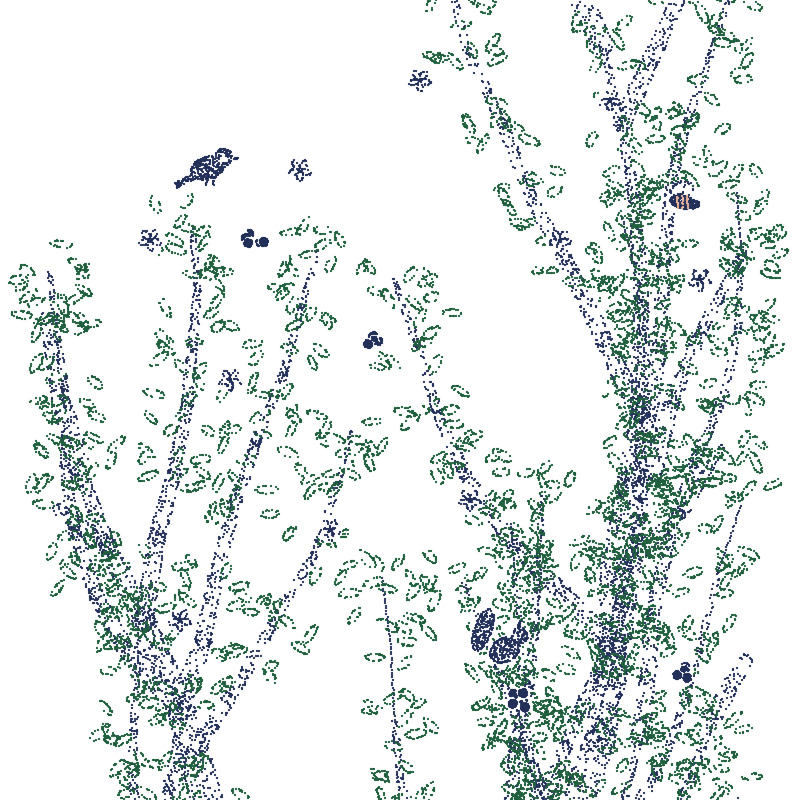
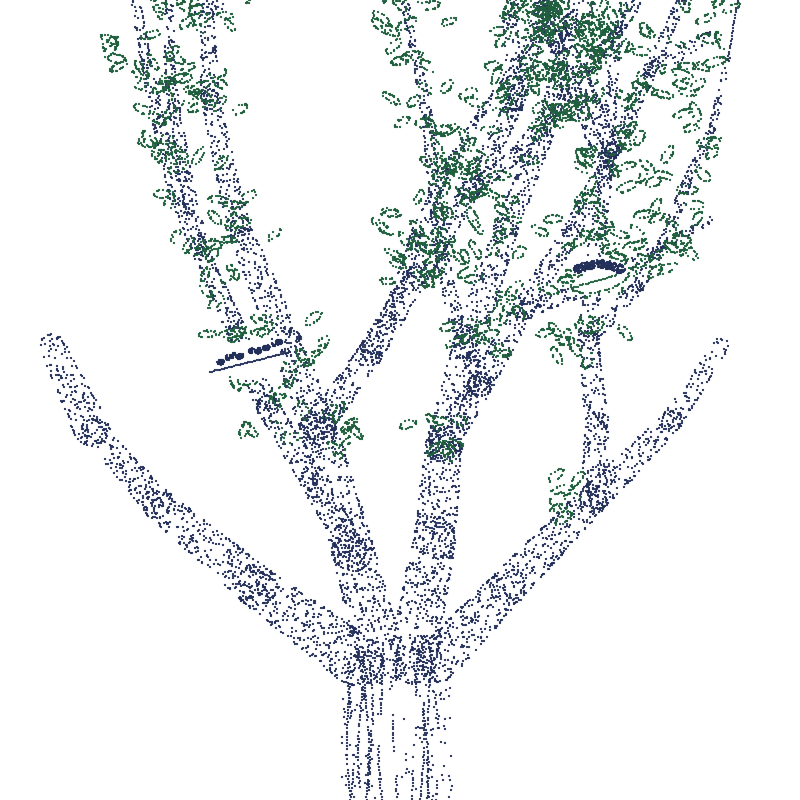
Inside the leafy crown, caterpillars and aphids feed on the leaves, and the caterpillars in turn feed tit chicks.
Drawing: The trunk dividing into branches covered in leaves, with a caterpillar on a leaf and aphids along a twig.
05/ 08
Cavities
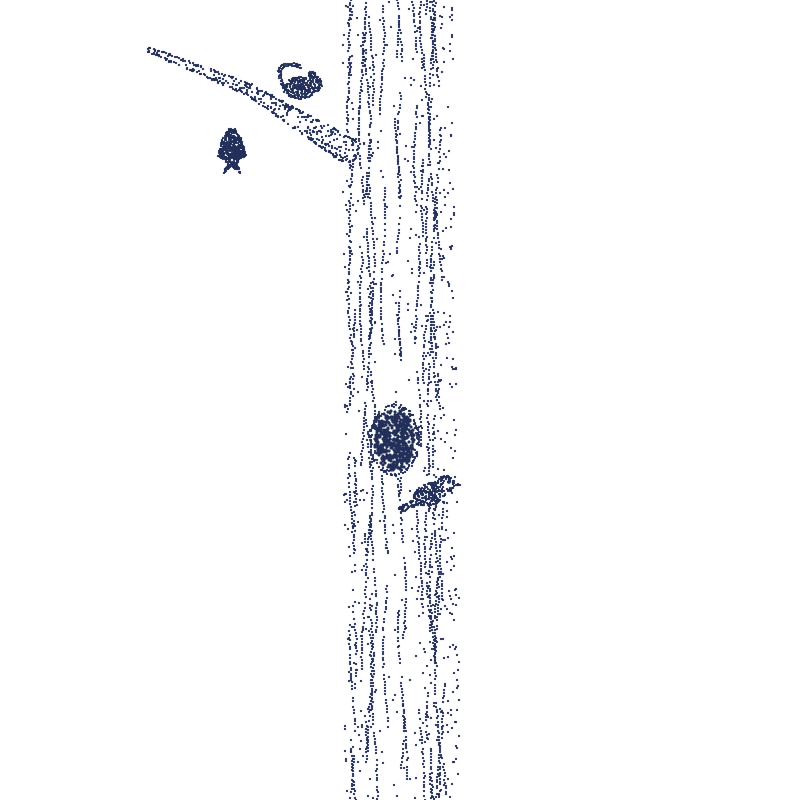
Down the trunk, holes in old trees shelter nesting great tits and blue tits, roosting bats and dormice.
Drawing: A hole in the trunk with a tit perched at the entrance, a bat hanging under a side branch and a dormouse curled on top of it.
06/ 08
Trunk & bark
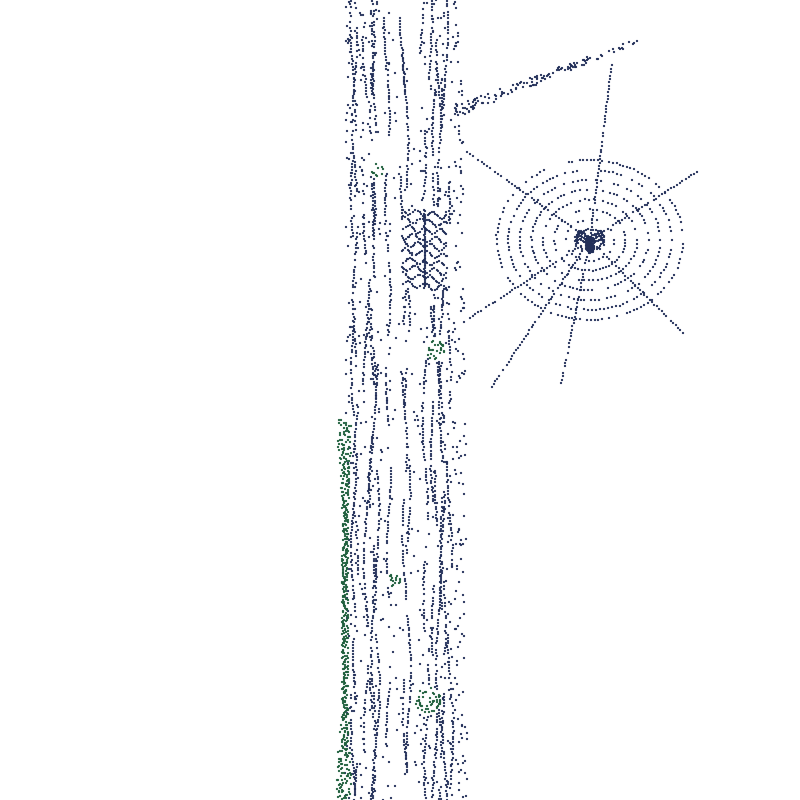
The bark is a habitat in its own right. Lichens grow on it, beetles tunnel beneath it and spiders hunt across it.
Drawing: A section of trunk with moss up one side, lichen rosettes, beetle tunnels under the bark and a spider in its web.
07/ 08
Leaf litter & deadwood
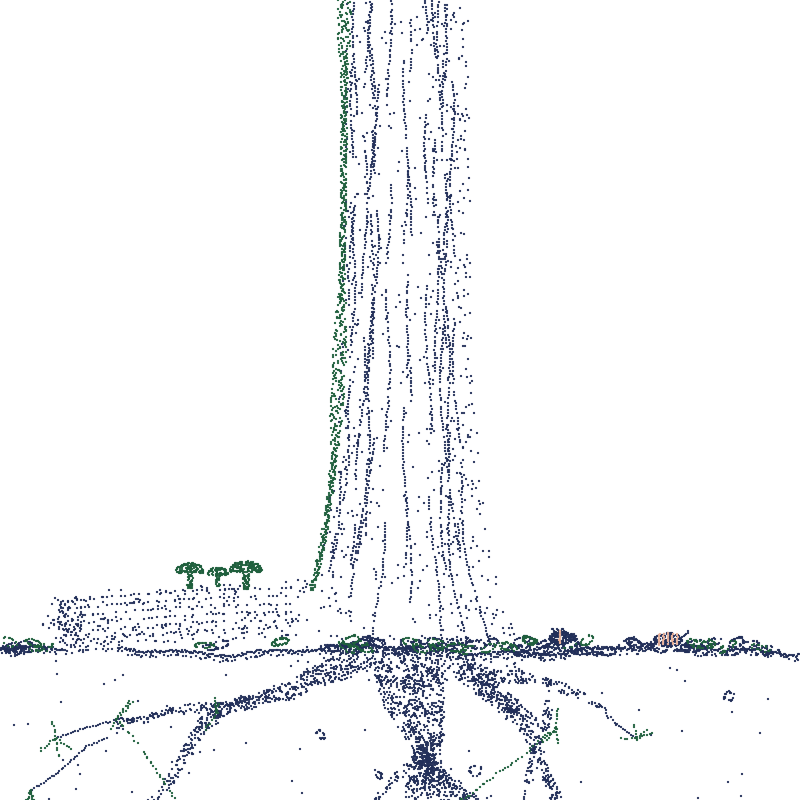
At the foot of the tree, fallen leaves and dead wood feed the fungi and insects that turn them back into soil.
Drawing: The base of the trunk on the forest floor, with fallen leaves, a rotting log with mushrooms, a beetle and a woodlouse.
08/ 08
Roots & mycorrhizal networks
And underground, fungal threads join the roots of neighbouring trees while springtails and earthworms work the soil. Everything above starts here.
Drawing: Tree roots spreading through the soil, laced with fine fungal threads, with an earthworm and a springtail.
Point-cloud scan
Cooler cities
Across 293 European cities, ground under trees was 8–12 °C cooler than built-up areas in Central European summers, and trees cooled 2–4 times more than treeless green space.
In a survey of nearly 20,000 people in England, those who spent at least two hours a week in nature were more likely to report good health and high wellbeing.
Hospital patients whose window looked out on a natural scene left hospital sooner after surgery and needed fewer strong painkillers than those facing a brick wall.
Great tits time their chicks to the spring peak of caterpillars. In a Dutch population, springs warmed over 23 years but laying dates did not move, so chicks risked missing the feast.
Sugary honeydew from aphids changes the rain dripping through a spruce: under infested trees it carried more dissolved carbon and up to 46% less ammonium.
A 47-year study of great tits in the UK found the population kept pace with fast-warming springs because each bird adjusted its behaviour to the conditions.
Lichens are classic signs of clean air, but they come back slowly. After 20 years of falling pollution in Sweden, sensitive species had only partly returned, held back by poor dispersal.
Among wood-rotting fungi, the fastest growers are the fastest decomposers: how quickly a fungus spreads is the best single predictor of how quickly it breaks down wood.
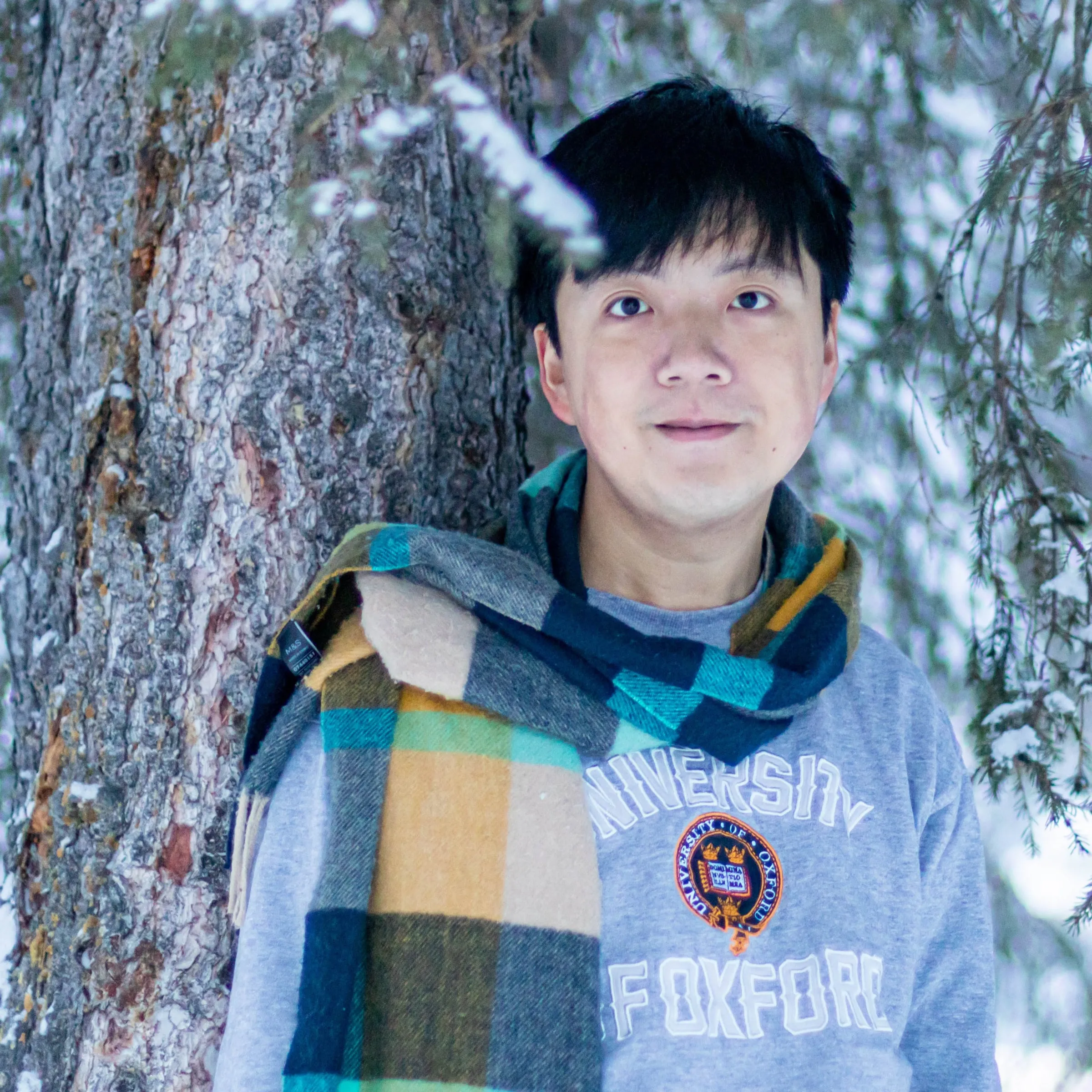
Croucher Fellow, University of Oxford & Incoming University Research Fellow in AI for Life, University of Liverpool
My research asks how trees adapt in this changing world, and what that means for their conservation and management, working on temperate and tropical forest trees in Europe, North America and Southeast Asia.
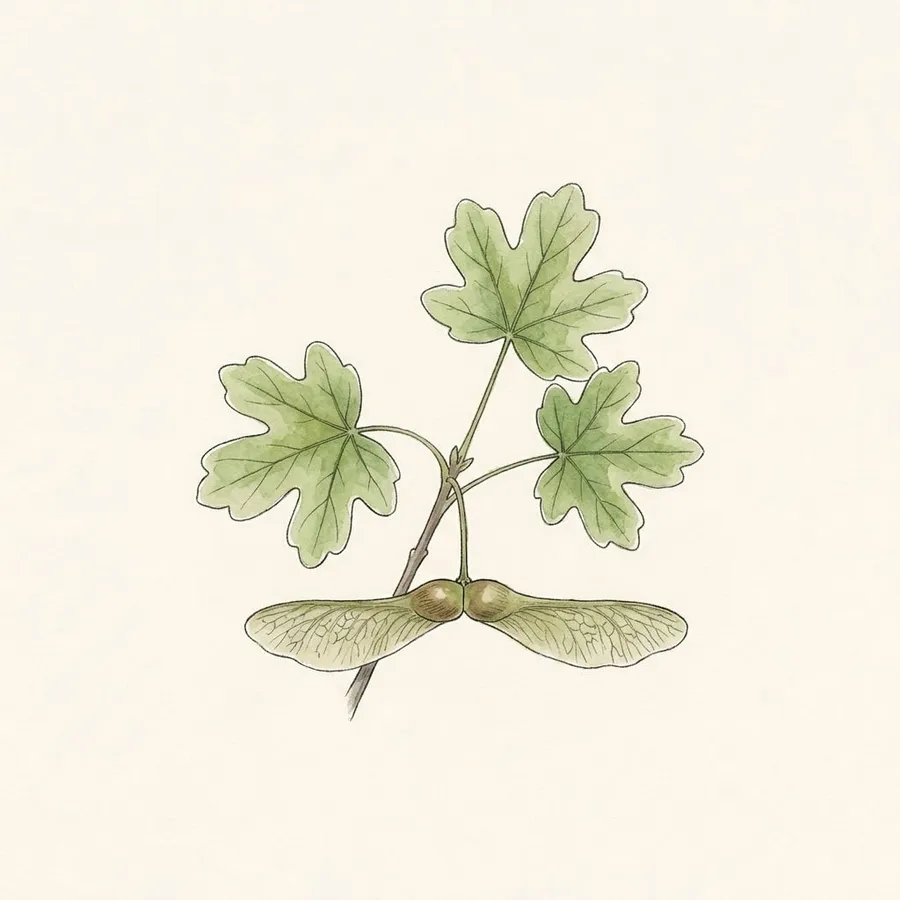
Small leaves with five rounded lobes; seeds with flat wings.
Match!
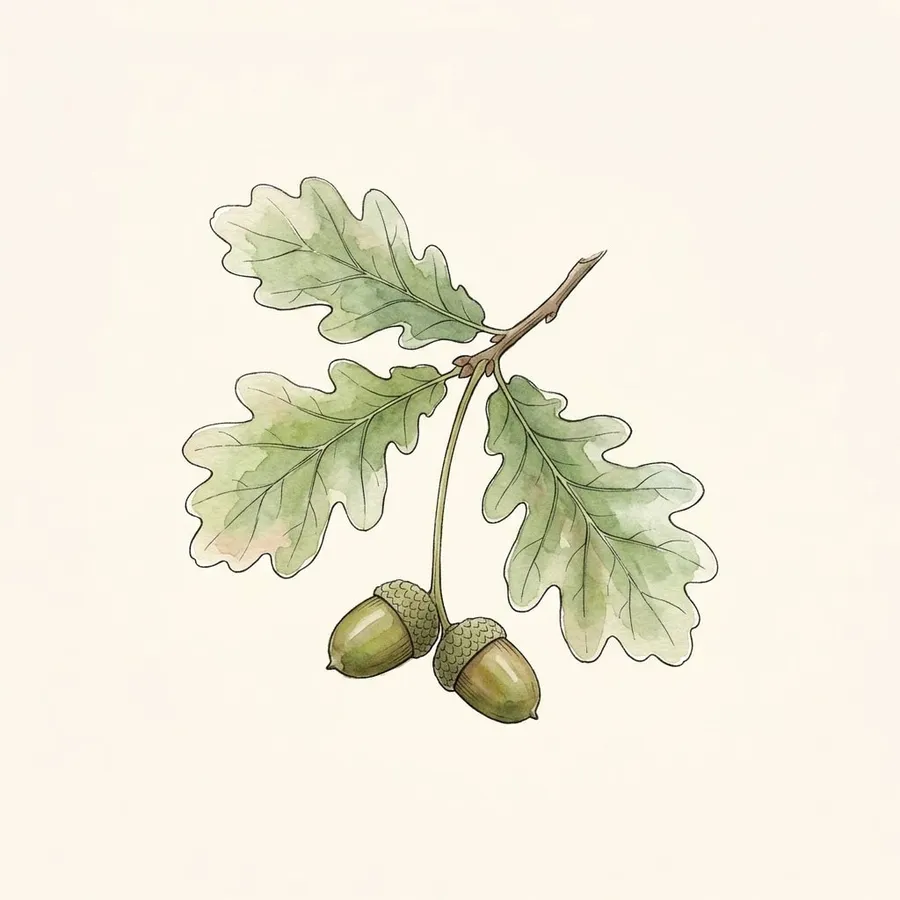
Pedunculate oak
Quercus robur
Grows in
Lowland clay
Spot it by
Acorns hang on long stalks; leaves have almost no stalk.
Match!
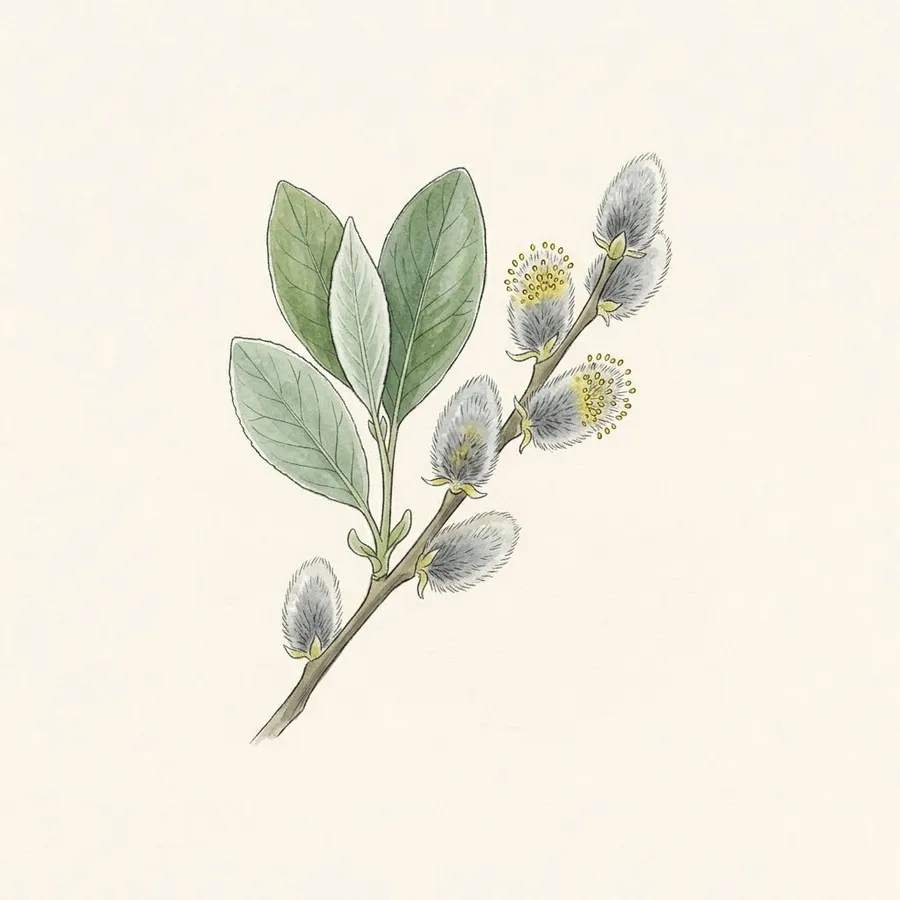
Grey willow
Salix cinerea
Grows in
Fen
Spot it by
Soft grey “pussy willow” catkins in early spring.
Match!
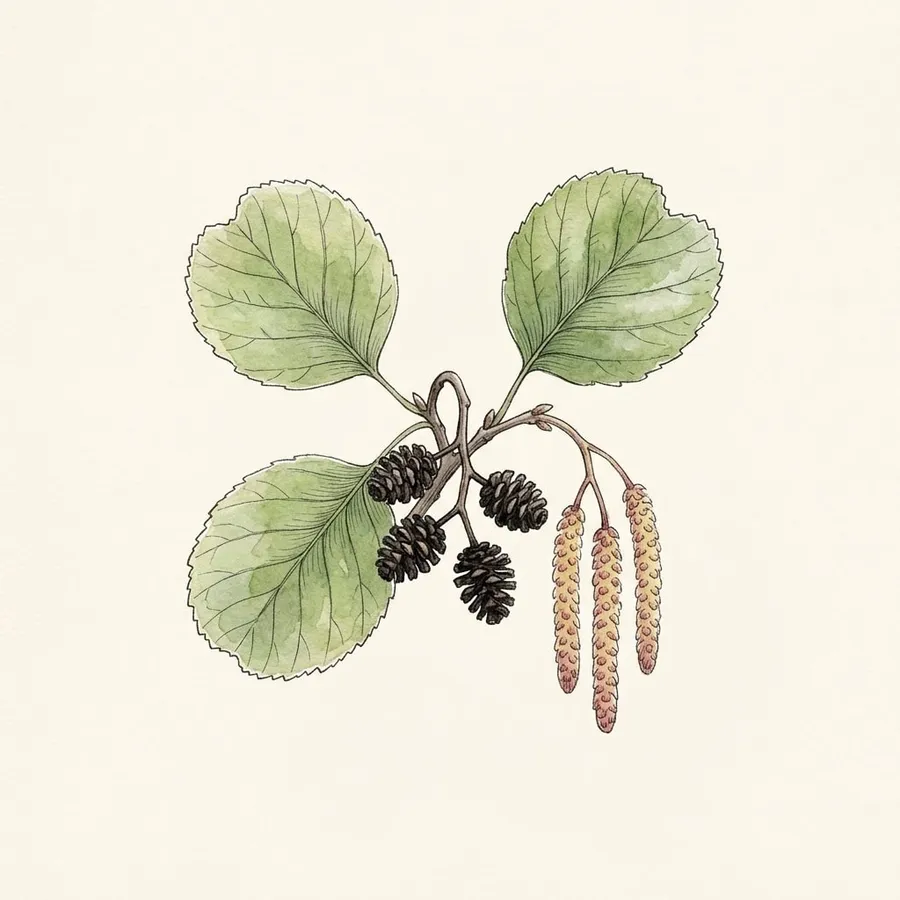
Alder
Alnus glutinosa
Grows in
Riverbank
Spot it by
Little woody cones, still on the twigs in winter; round leaves.
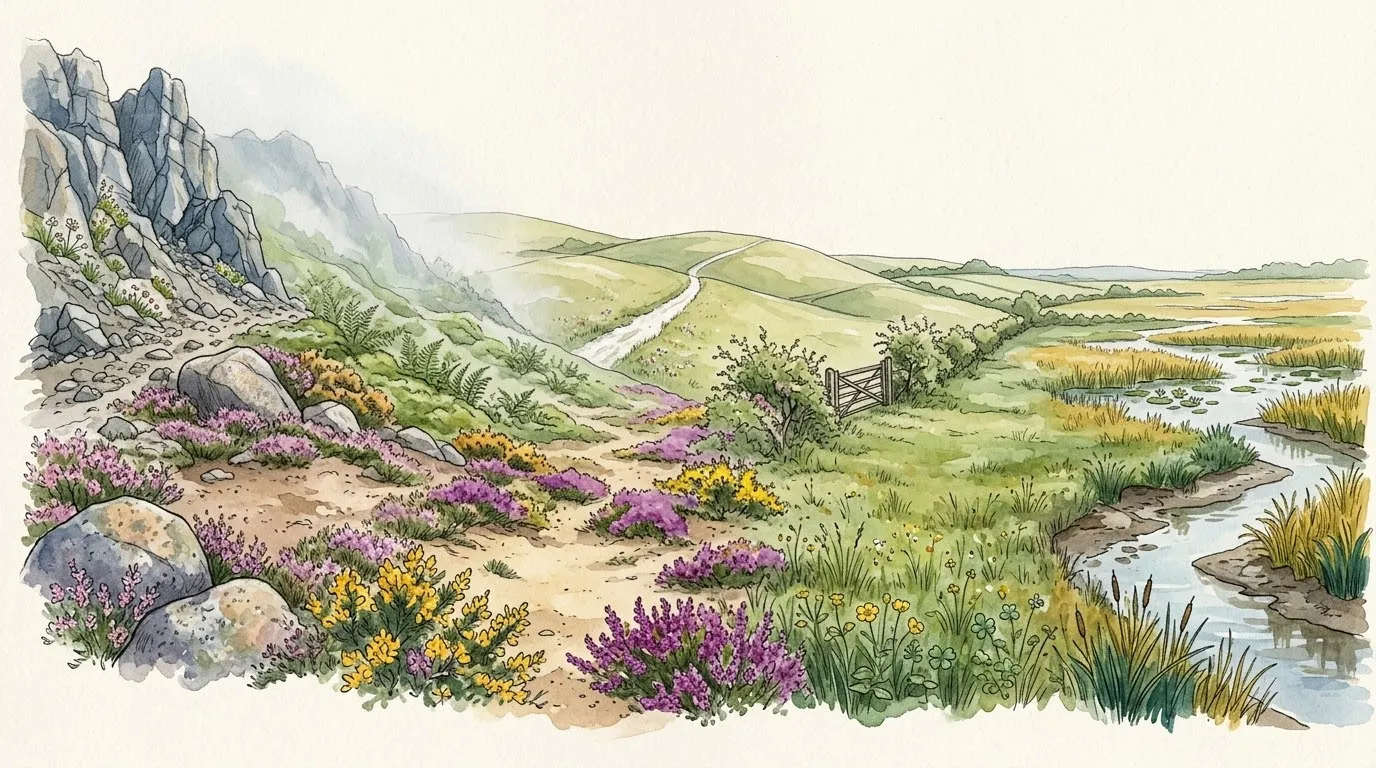
Plant a woodland
Every tree has a place it grows best. Turn the cards over two at a time and find the eight pairs. Each pair you find plants that tree in its home habitat.
Every tree is in the place that suits it today. But trees planted now will still be growing in fifty years. What will their home be like then?
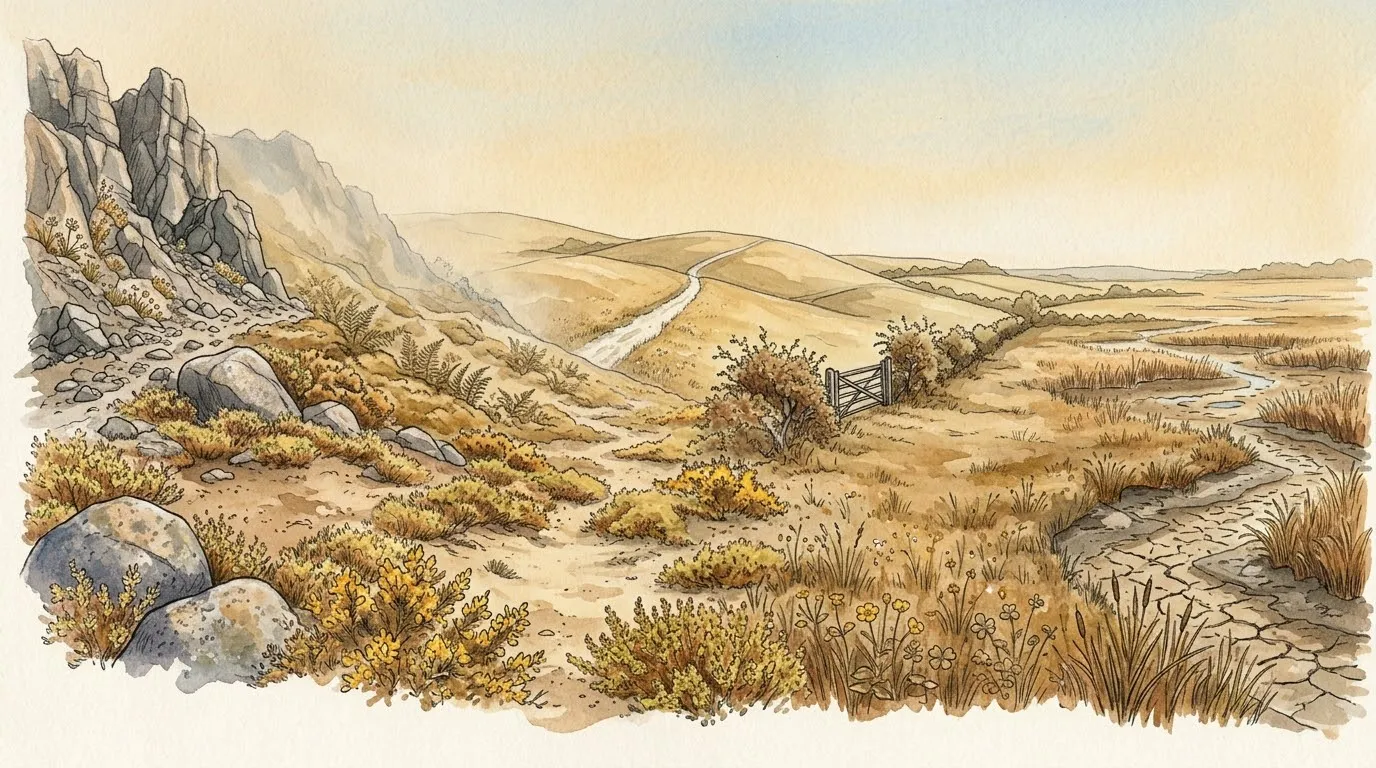
Fifty years later
Summers are hotter and drier. Rivers run low, clay soils crack and heaths scorch. Many trees matched to yesterday’s climate now struggle.
The genomics × AI way
Within every species, some trees carry genetic variants that cope better with heat and drought. Genomics and AI can find them across a whole landscape, so we can plant seed that suits the climate to come.
The right tree, for the place it will become.
Matching trees to today’s habitats is no longer enough. Genomics and AI help us choose seed for the climate our trees will live in, and field trials then test the best bets.
Henry will speak in a one-day workshop for early-career scholars at Academia Sinica, Taiwan, on how the history of technoscience and STS can learn from each other. Registration closes 11 November.